


 Subscribe
Choose a 12 or 24 month
subscription to our magazine.
 Arts of Asia Calendar
Stay up to date with the latest art events around the globe.
 Arts of Asia Links
Browse links to some of the best Art websites.
 Gift
Gift
Gift our magazine to a friend or colleague.
Arts of Asia Editorial
Arts of Asia Calendar
View More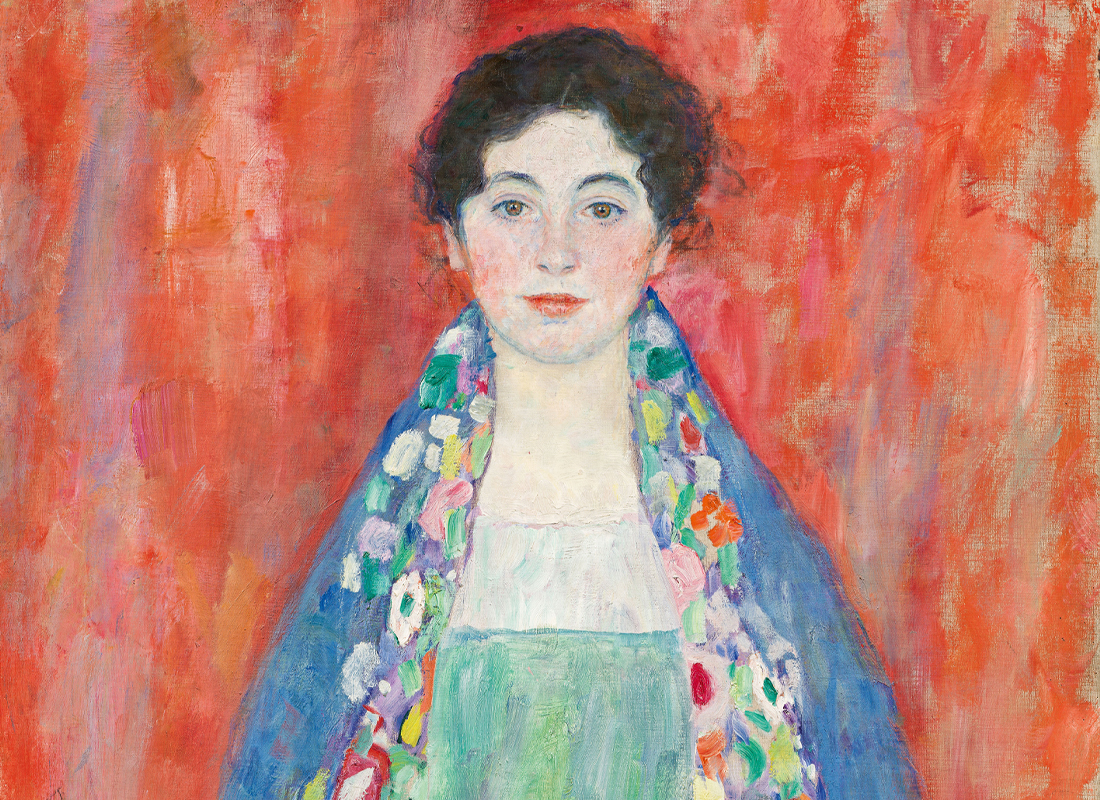
The Gustav Klimt Sale
Location: Auction house im Kinsky, Freyung 4, 1010 Vienna, Austria
Open 24 April, 2024
Until 24 April, 2024
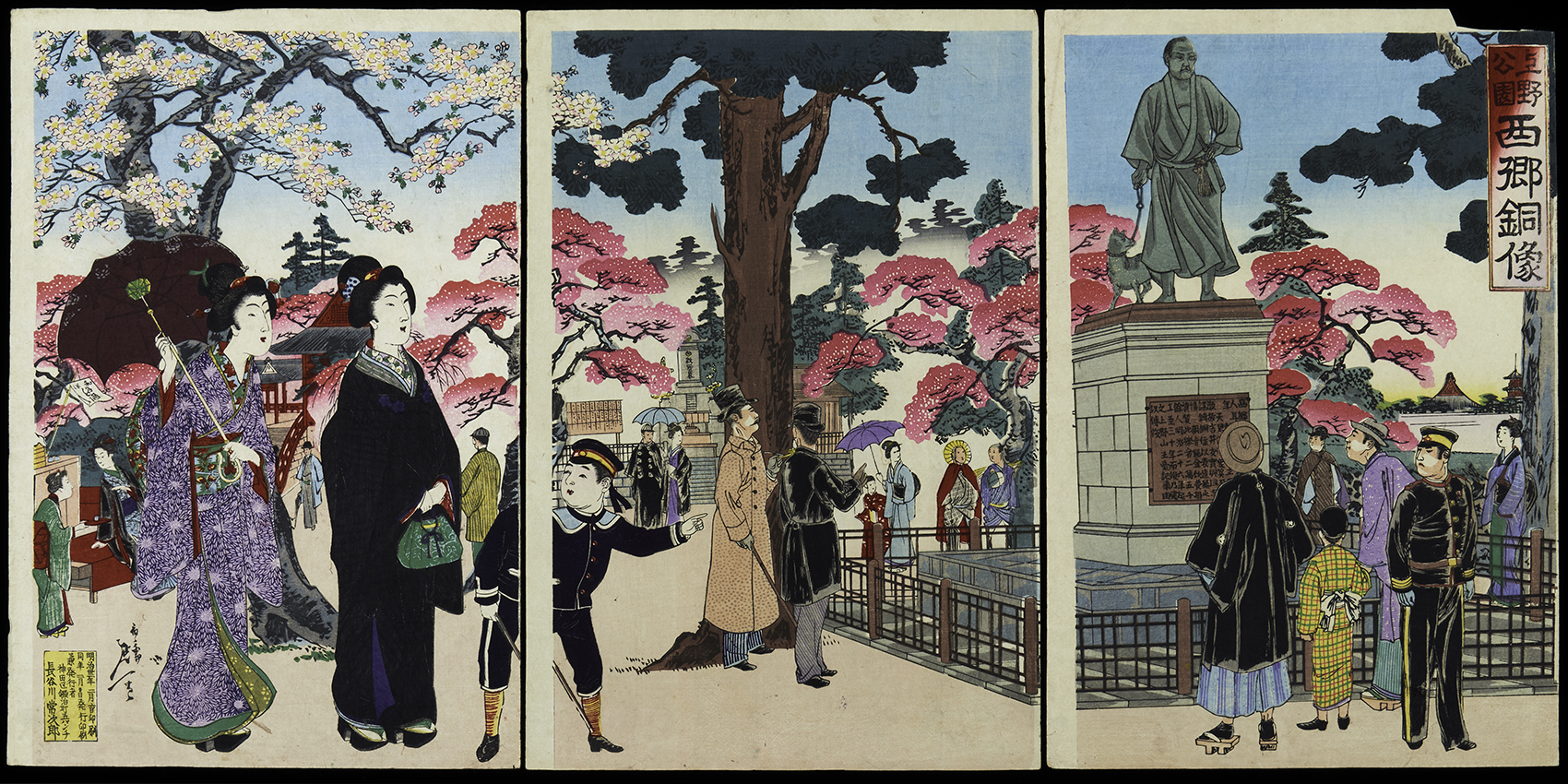
The Smart Museum of Art, University of Chicago — “Meiji Modern: Fifty Years of New Japan”
Location: 5550 S. Greenwood Ave., Chicago, Illinois 60637, USA
Open 21 March, 2024
Until 9 June, 2024
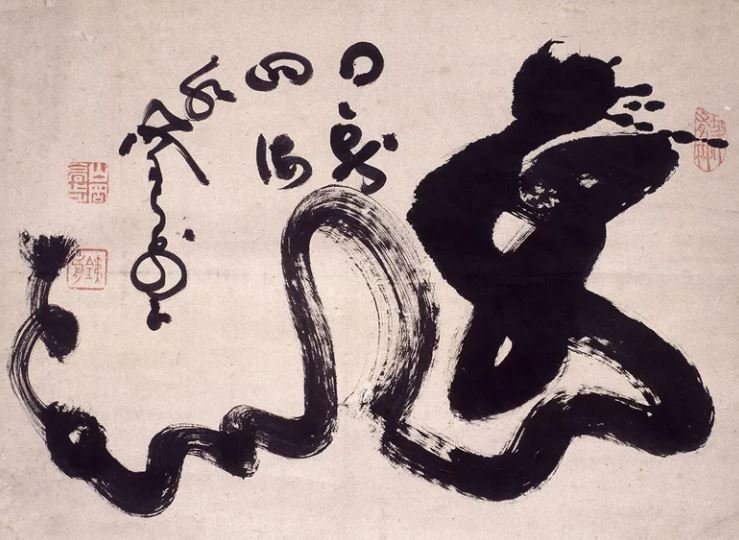
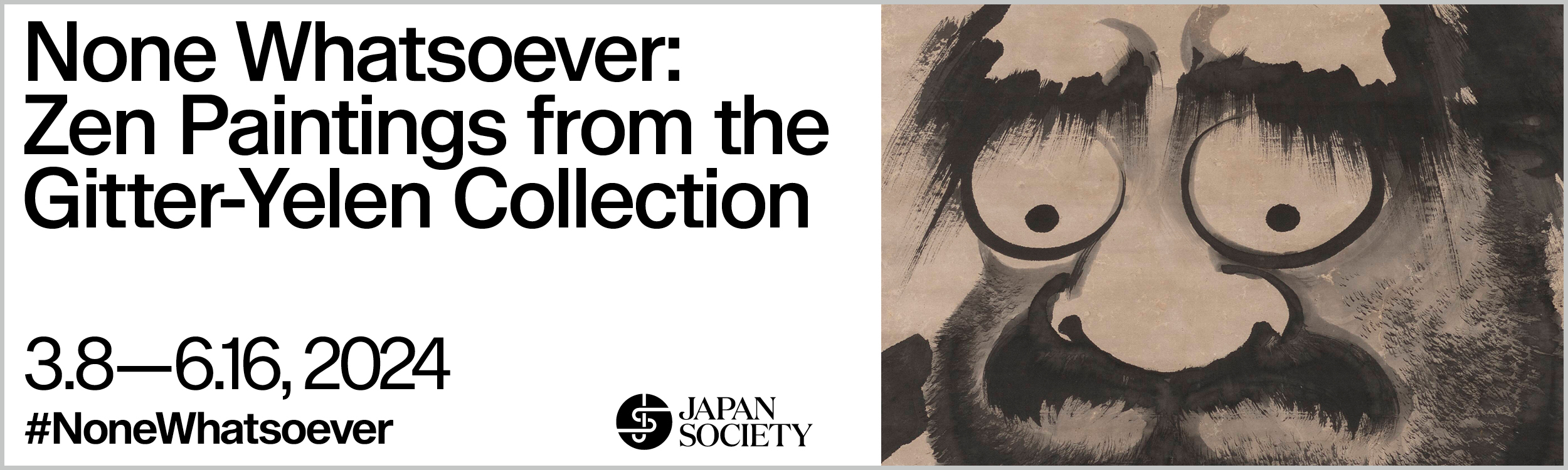
Japan Society — “None Whatsoever: Zen Paintings from the Gitter-Yelen Collection”
Location: 333 East 47th Street, New York, NY 10017, USA
Open 8 March, 2024
Until 16 June, 2024
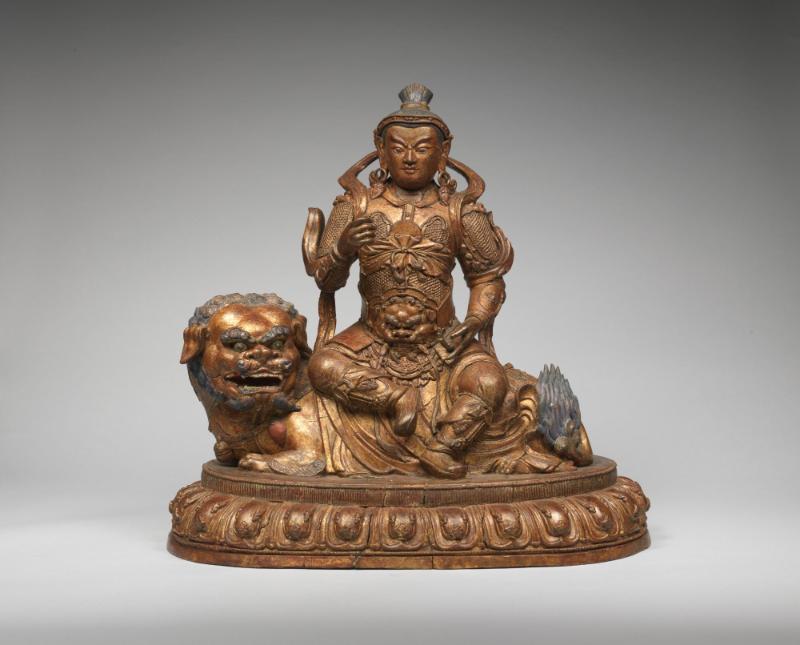
Rubin Museum of Art — “Masterworks: A Journey through Himalayan Art”
Location: 150 West 17th St., New York, NY 10011, USA
Open 1 January, 2024
Until 6 October, 2024
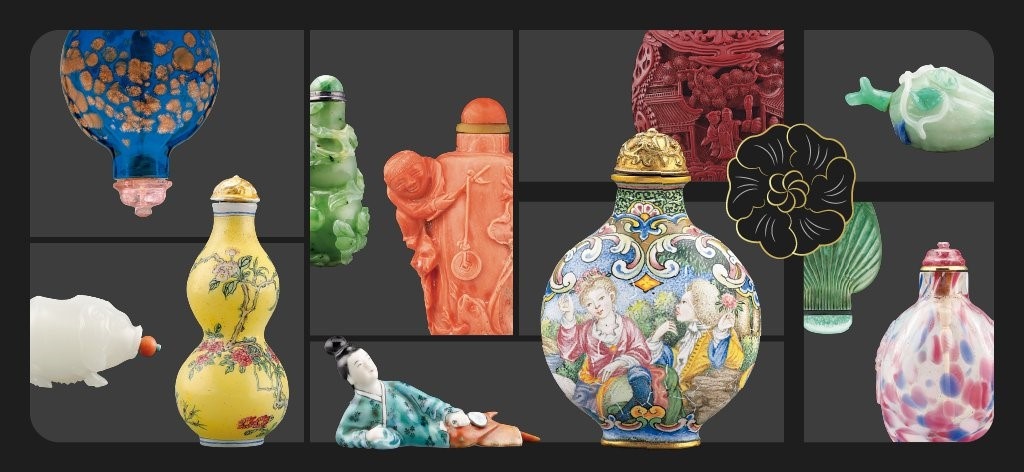
HKMoA — “Art of Gifting: The Fuyun Xuan Collection of Chinese Snuff Bottles”
Location: Hong Kong Museum of Art, 10 Salisbury Road, Tsim Sha Tsui, Kowloon, Hong Kong
Open 12 April, 2024
Until 1 December, 2024
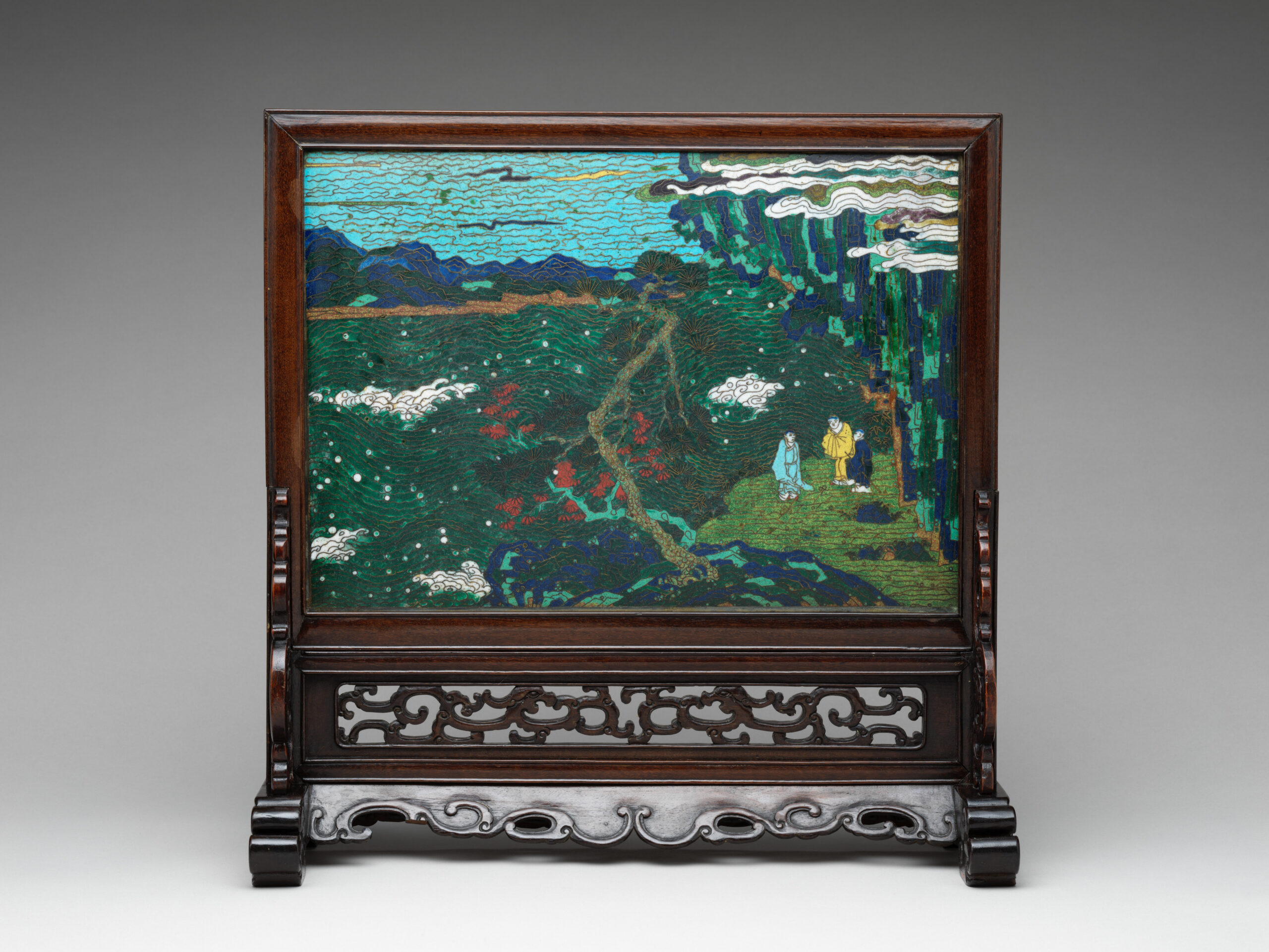
The Met — “Embracing Color: Enamel in Chinese Decorative Arts, 1300–1900”
Location: The Metropolitan Museum of Art, 1000 Fifth Avenue, New York, USA
Open 4 July, 2022
Until 4 January, 2026
Purchase Back Issues
Back Issues Published in 1970s
See the availability of Back Issues Magazine from 1970 to 1979.

Back Issues Published in 1980s
See the availability of Back Issues Magazine from 1980 to 1989.
Back Issues Published in 1990s
See the availability of Back Issues Magazine from 1990 to 1999.
Subscribe to Arts of Asia
For Connoisseurs and Collectors of Asian Art